

Proof that a human cared.
In a world where content is cheap and instant, the new currency is authenticity. The future won’t reward creators who can simply produce more. It will reward those who can prove they were actually there — thinking, shaping, choosing. The need to authenticate human involvement in content creation isn’t a niche concern anymore. It’s a cultural correction.
As synthetic media saturates every feed, audiences are already asking:
“Who made this?”
“Did anyone care if it was true?”
“Was this made for me — or for an algorithm?”
These are not technical questions. They’re emotional ones. And emotionally intelligent brands will answer them with provenance.
What is provenance?
In the art world, it’s the documented history of a piece. Who touched it. When. Why it mattered. In content, provenance is the paper trail of intention. It’s version logs, human inputs, creative briefs, behind-the-scenes footage, timestamped notes, and credits that show real people made real decisions.
Why content creators should care (urgently)
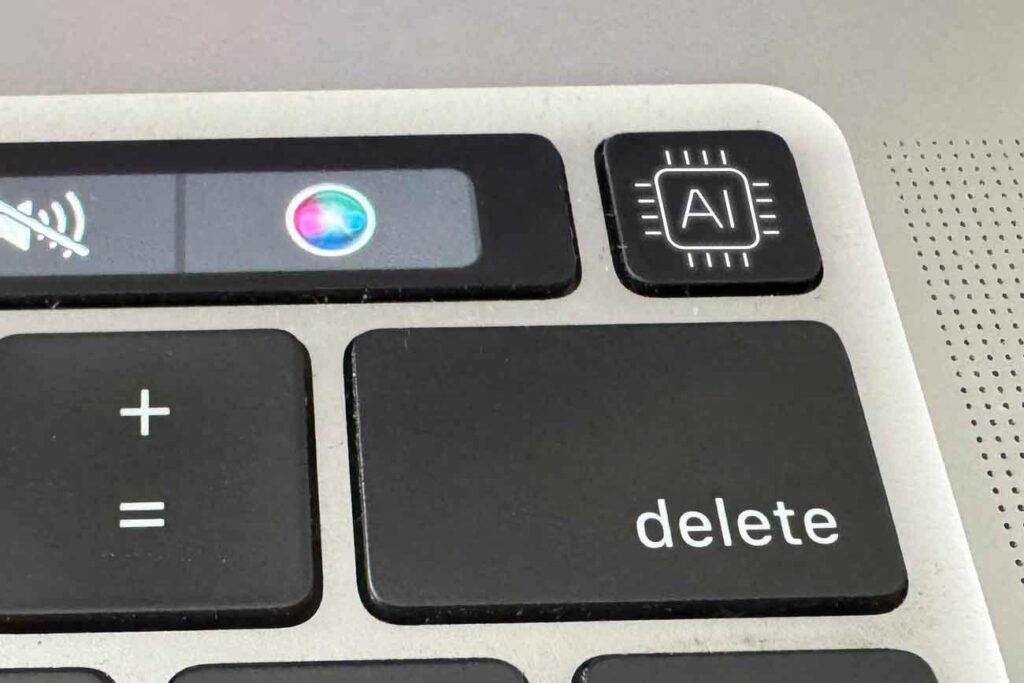
Platforms are moving toward watermarking and content labeling. Regulators aren’t far behind. And AI models are getting so good, the only thing distinguishing your work may be the trace of your own fingerprint. Content creators must treat provenance like a signature — not a watermark — embedding accountability directly into the creative process. Read the full article here.
If you want to future-proof your voice, your vision, and your value, start building authentication layers into your workflow now. Tools like content credentials (C2PA), blockchain-backed timestamping, and embedded metadata will become standard.
More importantly, tell your process story. Share what you tried. Show what you cut. Let people see the seams. That’s how trust is built.
Because when the world is full of synthetic perfection, the human mistake will be the mark of meaning.
This blog was written by an AI. Or was it? 😏
About the Authors

This was written by Tenley, Plan 10 Creative’s innovative AI assistant.

